
If you own a building that’s more than a few years old, run a factory, or are applying for an Occupancy Certificate, you’ve probably come across the term Structural Stability Certificate (SSC). It’s one of those documents that sounds bureaucratic until the day you actually need it – and by then, not having one can hold up a loan, a licence renewal, or even the sale of a property.
Here’s a clear breakdown of what it is, why it exists, and who is typically required to get one.
What Is a Structural Stability Certificate?
A Structural Stability Certificate is a formal document issued by a licensed structural engineer, certifying that a building or structure has adequate strength, stability, and load-carrying capacity to safely handle the dead loads, live loads, wind loads, and other forces it’s exposed to. It confirms that the structure meets the safety standards laid out in the National Building Code (NBC) and relevant Indian Standards – primarily IS 456 for RCC (reinforced cement concrete) structures and IS 800 for steel structures.
Importantly, this certificate isn’t something a building owner or contractor can self-declare. It has to come from a structural engineer with the technical expertise to inspect the building, evaluate its structural system, and put their professional judgement and registration on the line.
Why Does This Certificate Matter?
Civil and structural engineering codes exist because buildings degrade over time — concrete carbonates, steel reinforcement corrodes, foundations settle, and additions or renovations sometimes alter the original load paths a structure was designed for. A Structural Stability Certificate is essentially a formal checkpoint that verifies a structure is still performing the way it was designed to.
Beyond the pure engineering rationale, it also plays a legal and financial role:
- It’s often a prerequisite before a municipality or panchayat issues an Occupancy Certificatefor new buildings.
- Older buildings (commonly those beyond a certain age, depending on local body rules) may be required to undergo periodic structural auditsand produce an updated certificate.
- Banks and financial institutionsoften ask for one before approving loans against older properties.
- Insurance providersmay require it for property insurance or renewal.
- Factories and industrial unitsneed it for licence approval, renewal, and Fire & Safety NOC
Who Actually Needs a Structural Stability Certificate?
In practice, this certificate is relevant to a wide range of property types:
Residential buildings and apartments — particularly older constructions, buildings showing visible cracks or signs of distress, or properties involved in resale or refinancing.
Commercial complexes and office buildings — for compliance, insurance, and periodic safety audits.
Factories, warehouses, and industrial sheds — including steel structures and pre-engineered buildings (PEB), which need certification for licence renewal and operational compliance.
Schools, hospitals, and public buildings — where occupant safety carries additional regulatory weight.
Builders and developers — for new construction, as part of the approval process before occupancy.
Who Is Authorised to Issue One?
Only a licensed and experienced structural engineer – sometimes working alongside a Chartered Engineer – can issue a valid Structural Stability Certificate. The engineer evaluates the structure against:
- IS 456 (design and detailing of RCC structures)
- IS 800 (design of steel structures)
- National Building Code provisions
- Applicable wind and seismic load codes for the region
The process isn’t a desk exercise – it requires an actual site visit and structural assessment, not just a review of paperwork.
What Does the Assessment Involve?
For an existing building, a structural engineer’s assessment typically includes:
- Visual inspection— checking for cracks, spalling, corrosion, dampness, or visible deformation.
- Structural configuration review— understanding the load-bearing system (RCC frame, load-bearing walls, steel structure, etc.).
- Material condition evaluation— assessing the condition of concrete, reinforcement, and other structural elements, sometimes using non-destructive testing (NDT).
- Load path and safety verification— confirming the structure can still safely carry the loads it’s subjected to.
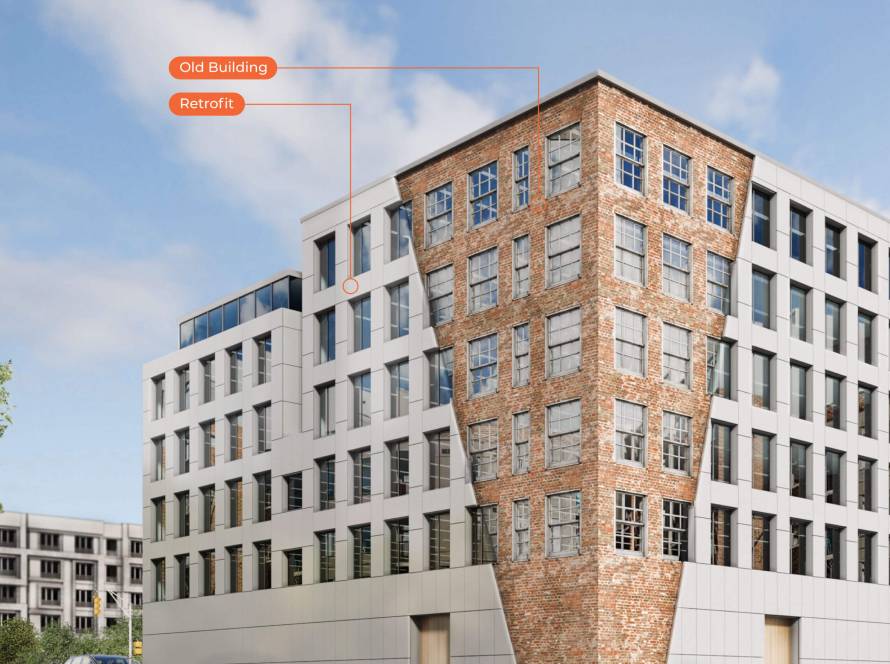
- Recommendations, where needed — for repairs, retrofitting, or strengthening, if the assessment identifies deficiencies.
Documents You'll Typically Need
To speed up the process, it helps to have the following ready before the engineer’s site visit:
- Approved building drawings, if available
- Structural drawings (RCC or steel)
- Building completion year
- Any previous stability certificate
- The purpose of the certificate (occupancy, factory licence, fire NOC, insurance, resale, etc.)
If original drawings aren’t available – common for older buildings – a qualified engineer can still carry out the assessment based on site measurements and engineering judgement.
What Determines the Cost?
There’s no flat fee for a Structural Stability Certificate — cost depends on factors like the type of structure, built-up area, structural system (RCC, steel, or aluminium), site accessibility, and the purpose of certification. For an accurate quote, it’s best to share basic building details with a structural consultancy directly.
The Bottom Line
A Structural Stability Certificate isn’t just paperwork – it’s a professional engineering judgement that a structure is safe to continue using. Skipping it, or getting it from someone unqualified, defeats the purpose entirely and can leave both the building owner and occupants exposed to real risk.
If your building is due for a stability assessment – whether it’s for an Occupancy Certificate, a factory licence renewal, a loan application, or simply peace of mind about an older structure – it’s worth getting a licensed structural engineer to inspect it properly rather than treating the certificate as a formality.
Frequently Asked Questions (FAQs)
Q: How long is a Structural Stability Certificate valid?
Validity depends on the purpose and the requirements of the authority requesting it – some factory licences or municipal audits require renewal every few years, especially for older buildings.Q: Can an architect issue a Structural Stability Certificate?
Structural certification specifically requires a structural engineer’s assessment, since it involves structural design codes (IS 456, IS 800) rather than architectural design.Q: What happens if a building doesn’t have one when required?
It can delay or block an Occupancy Certificate, loan approval, insurance renewal, or factory licence – and in the case of older or distressed buildings, it can mean the structural risk simply goes undetected.Q: Is a Structural Stability Certificate the same as a structural audit?
They’re closely related – a structural audit is the inspection and evaluation process, and the Structural Stability Certificate is the formal certified outcome of that audit.