
Introduction
Every building experiences wear and tear over time. Environmental conditions, aging materials, poor construction practices, or unexpected events can gradually affect its structural integrity. Ignoring early warning signs can lead to costly repairs and, in severe cases, safety risks. A professional structural engineering assessment helps identify hidden problems before they become major issues, ensuring your building remains safe, durable, and compliant with engineering standards.
Whether you own a residential, commercial, or industrial property, understanding the signs that indicate the need for a structural assessment is essential.
1. Visible Cracks in Walls, Ceilings, or Foundations
Not all cracks are dangerous, but large, widening, or diagonal cracks may indicate structural movement. Pay close attention to:
- Stair-step cracks in brick walls
- Horizontal foundation cracks
- Wide cracks around windows and doors
- Ceiling cracks that continue to expand
A qualified structural engineering professional can determine whether these cracks are cosmetic or signs of a more serious issue.
2. Uneven or Sloping Floors
If your floors feel uneven or you notice furniture shifting unexpectedly, the underlying structure may be settling unevenly. This can result from:
- Foundation settlement
- Soil movement
- Weak structural supports
- Water damage beneath the building
Early inspection can prevent further deterioration.
3. Doors and Windows No Longer Close Properly
Doors and windows that suddenly become difficult to open or close often indicate movement in the building’s frame. While seasonal changes can cause minor adjustments, persistent alignment problems may suggest structural shifting that requires professional evaluation.
4. Water Damage and Moisture Problems
Water is one of the biggest threats to any structure. Continuous leaks, poor drainage, or flooding can weaken foundations, steel reinforcement, and concrete over time.
Watch for:
- Damp walls
- Mold growth
- Water stains
- Rust on structural steel components
Addressing moisture issues early helps preserve structural stability.
5. Sagging Roof or Ceiling
A roof or ceiling that appears to sag may indicate overloaded structural members or weakened support systems. This issue should never be ignored, as it can eventually lead to partial structural failure if left unaddressed.
6. Foundation Settlement
The foundation supports the entire building. Signs of foundation problems include:
- Gaps between walls and ceilings
- Cracks in flooring
- Leaning walls
- Separation around doors and windows
A detailed structural assessment helps identify the cause and recommend appropriate repairs.
7. Rusting Steel or Exposed Reinforcement
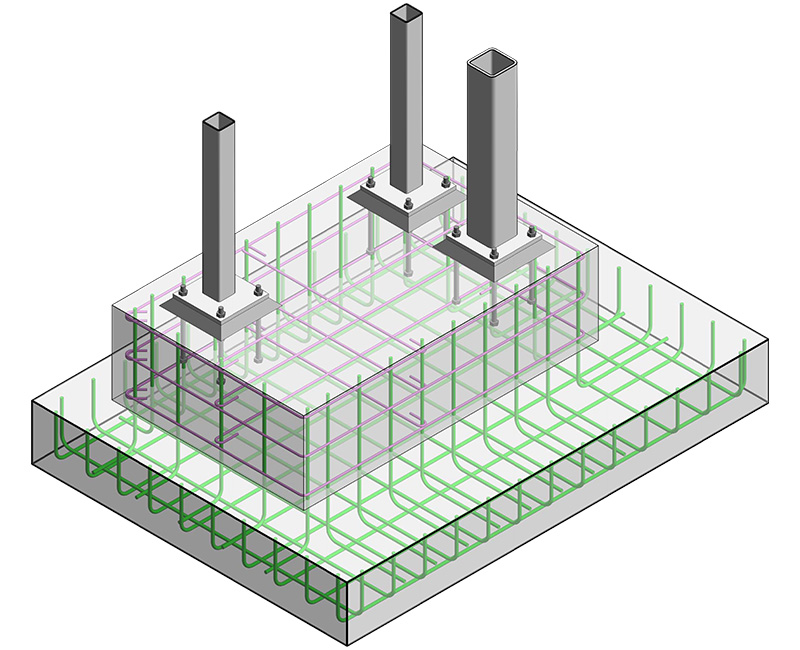
Steel reinforcement provides strength to concrete structures. When steel becomes exposed or begins to corrode, it expands and weakens the surrounding concrete.
Common causes include:
- Water infiltration
- Coastal environments
- Poor concrete cover
- Aging construction materials
Professional evaluation can determine the extent of deterioration.
8. After Natural Disasters or Severe Weather
Buildings affected by earthquakes, floods, storms, or strong winds should undergo a structural inspection-even if no obvious damage is visible. Hidden structural weaknesses may compromise long-term safety.
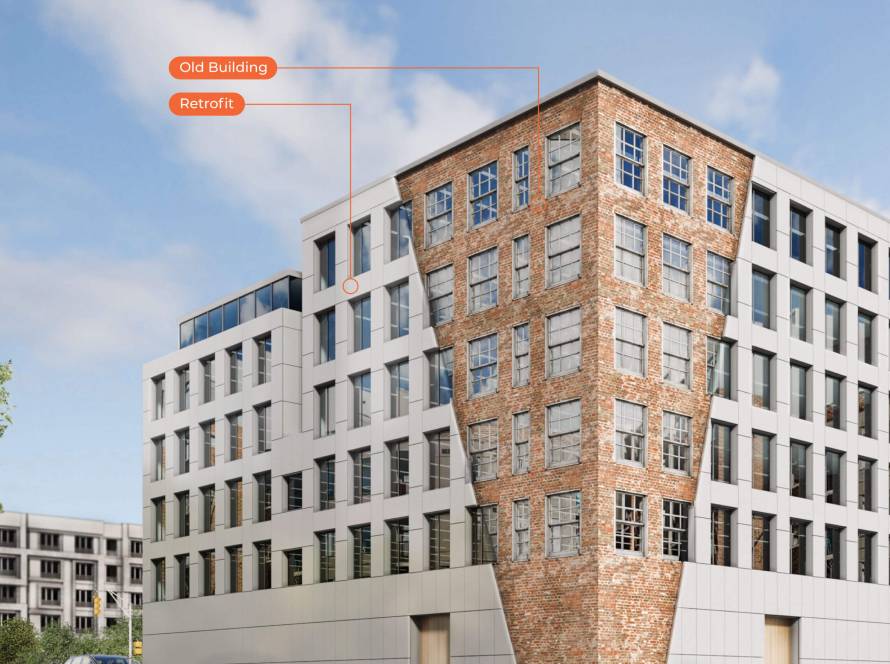
9. Before Renovation or Adding Extra Floors
Planning a renovation or vertical expansion? A structural assessment ensures the existing building can safely support additional loads. This is especially important for:
- Home extensions
- Commercial renovations
- Rooftop additions
- Industrial upgrades
A structural engineering review minimizes future risks and avoids costly modifications.
10. Aging Buildings
Buildings that are several decades old should be inspected periodically. Construction materials naturally deteriorate over time due to:
- Weather exposure
- Material fatigue
- Corrosion
- Changing building usage
Regular assessments help extend the lifespan of the structure while maintaining safety.
Benefits of a Structural Assessment
A professional structural assessment provides several advantages:
- Identifies hidden structural problems early
- Improves occupant safety
- Reduces long-term maintenance costs
- Extends the building’s lifespan
- Supports renovation and expansion projects
- Ensures compliance with engineering standards
- Protects your investment
When Should You Contact a Structural Engineer?
You should schedule a structural assessment if you notice unusual cracks, uneven floors, foundation movement, water-related damage, or are planning significant renovations. Prompt action can prevent minor issues from developing into expensive structural repairs.
Conclusion
Your building’s safety depends on its structural integrity. Recognizing the early warning signs and seeking a professional structural engineering assessment can save time, money, and prevent serious safety hazards. Regular inspections not only protect your property but also provide peace of mind that your building remains strong and reliable for years to come.
About Advanced Engineering
Advanced Engineering Solutions (AES) is a trusted engineering consultancy specializing in comprehensive structural engineering solutions for residential, commercial, and industrial projects. Our experienced team offers structural design, structural drafting, BIM/Revit modeling, reinforcement detailing, fabrication drawings, foundation plans, retaining wall design, and engineering consultation. We are committed to delivering accurate, code-compliant, and cost-effective engineering solutions that ensure the safety, durability, and success of every construction project.
Need a professional structural assessment? Contact Advanced Engineering today to discuss your project and receive expert guidance from our structural engineering specialists.
Frequently Asked Questions (FAQs)
- How do I know if my building needs a structural assessment?
You should consider a structural assessment if you notice large cracks in walls, uneven floors, sticking doors or windows, foundation settlement, water damage, or a sagging roof. A professional structural engineer can identify the cause and recommend the appropriate solution.
- How often should a building undergo a structural inspection?
There is no fixed schedule for every building. However, older buildings, structures exposed to extreme weather, or properties undergoing renovations should be inspected periodically. Regular inspections help detect potential structural issues before they become major problems.
- Can a structural assessment prevent expensive repairs?
Yes. A structural assessment identifies early signs of damage, allowing repairs to be completed before the problem worsens. This proactive approach can significantly reduce repair costs and improve the building’s safety and lifespan.
- Why should I hire a professional structural engineering company?
A professional structural engineering company has the expertise to evaluate structural safety, identify hidden defects, ensure compliance with building codes, and recommend effective repair or strengthening solutions. Their expertise helps protect your investment and ensures your building remains safe and durable.